Takeda «In Their Shoes»: Immersive Empathy Simulation for IBD Patients
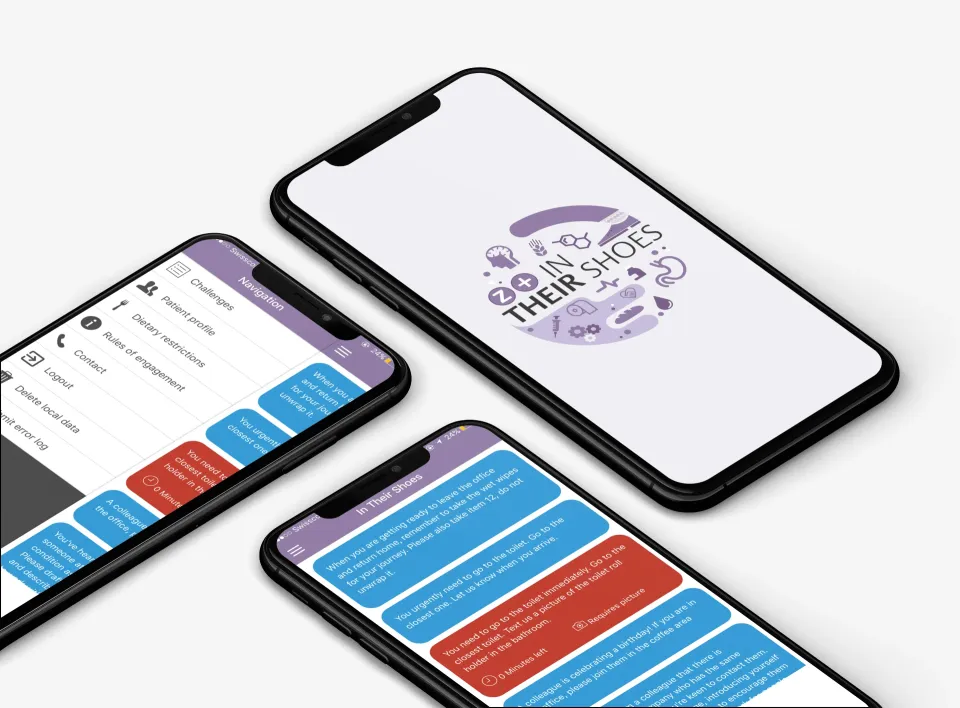
For global pharmaceutical giant Takeda, IRTECH developed a 48-hour interactive mobile roleplay that places medical professionals into the disruptive daily realities of patients suffering from Inflammatory Bowel Disease (IBD).
Project Metrics
- Deployment
- Singapore, Canada, EU
- Simulation Duration
- 48 Hours Live
- Challenge Latency
- < 1 Second
Project Background
Inflammatory Bowel Diseases (such as Crohn’s disease or ulcerative colitis) disrupt everyday life through sudden acute symptoms, restrictive diets, pain episodes, and urgent restroom needs.
To cultivate authentic empathy among physicians, nurses, and corporate staff, Takeda designed a two-day immersion simulation. Early manual prototypes using SMS were cumbersome and error-prone.
Digital Concept & Implementation
IRTECH automated the entire immersion workflow into a native mobile platform:
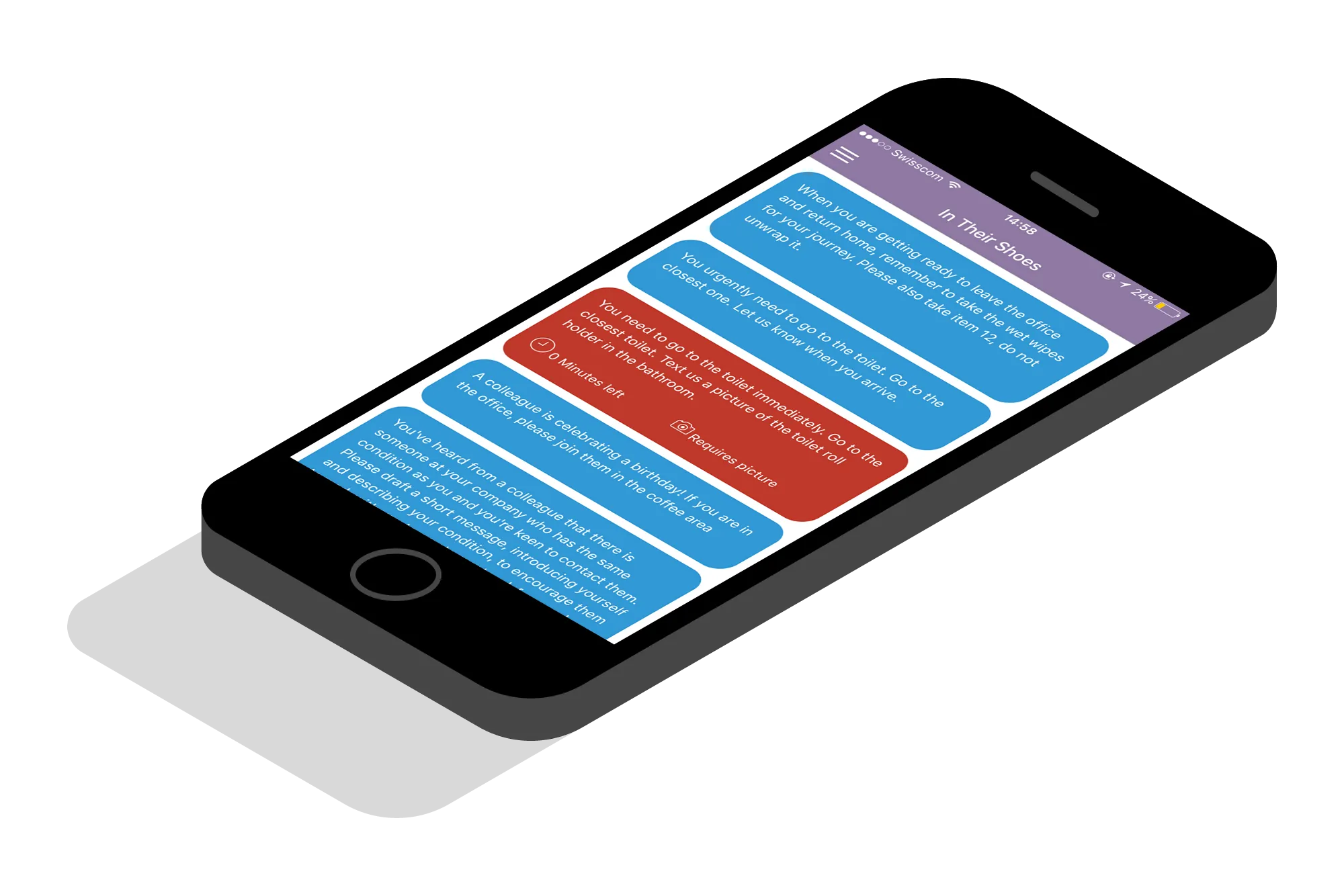
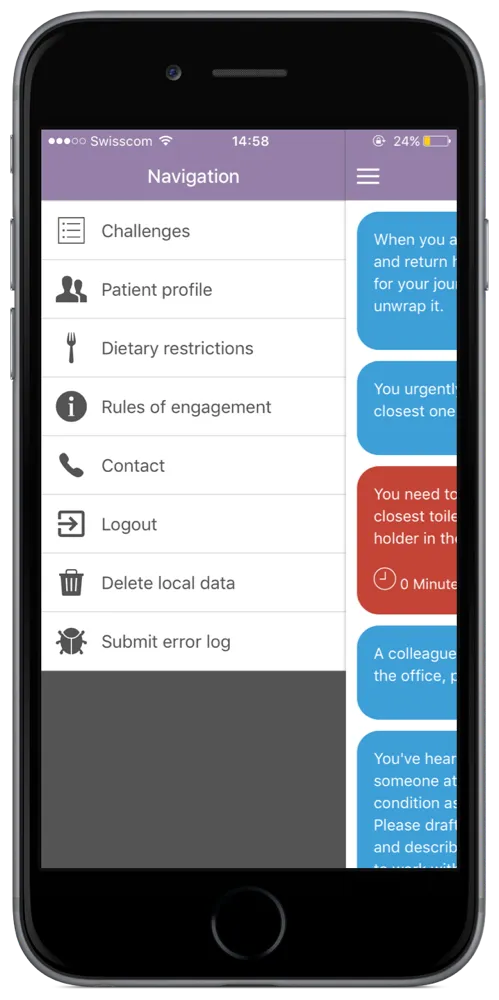
- Unpredictable Real-Time Challenges: At unexpected moments (in meetings, during commute, or overnight), participants receive push prompts requiring immediate action or restroom visits
- Photo and Text Verification: Proof must be submitted within strict time limits to mirror urgent urgency
- Dynamic Scoring: Failure to respond in time incurs point penalties, cultivating visceral empathy for disease-related schedule disruptions
Multi-Timezone Global Orchestration
In addition to the mobile app, IRTECH built a responsive admin console allowing seminar moderators to schedule cohorts, monitor completion rates, and debrief participants with analytics.
Impact
«In Their Shoes» became an enduring cornerstone of internal education at Takeda and received multiple international healthcare awards for innovative patient advocacy.
Screenshots & UI Showcase
30 Minutes Directly with the Lead Architect
Tell us about your upcoming software project or mobile app idea.
In 30 minutes, we evaluate technical feasibility, architectural requirements, and a realistic budget – directly with our lead architect.

- Bring along
- Your project vision, requirements, or existing software stack and target platforms (iOS, Android, Garmin, Web).
- You leave with
- A solid feasibility assessment, clear architectural recommendations, and a realistic budget and roadmap.